Transparent governance & better services
Make public services simpler and more predictable through clear service standards, accessible grievance systems, open project information, public hearings and responsible digital records.
Vision of Lumbini
A socially engaged education professional, writer and public voice, committed to thoughtful leadership, inclusive opportunity and sustainable development rooted in the people and identity of Lumbini.
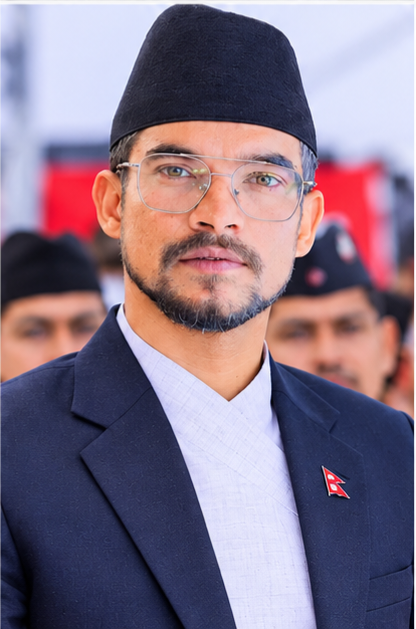
My work and interests bring together education, social engagement, public affairs, literature and community development. I believe progress should be visible in everyday life: better services, stronger opportunities, dignity, participation and a cleaner, safer place to live.
To contribute to a Lumbini that honours its cultural and spiritual significance while creating practical opportunities for residents, supporting local enterprise and improving the quality of public services.
With transparency, public participation, responsible use of resources, evidence-informed planning and a focus on measurable results. Development should be inclusive, environmentally responsible and shaped through dialogue with local communities.
My development vision is to protect Lumbini’s religious, cultural and historical identity while advancing citizen-friendly services, economic opportunity, safe infrastructure, a clean environment and inclusive growth. The following priorities are drawn from the Vision Lumbini policy and action-plan document.
Make public services simpler and more predictable through clear service standards, accessible grievance systems, open project information, public hearings and responsible digital records.
Connect Lumbini’s heritage with local livelihoods through better visitor information, cultural routes, local guides, homestays, hospitality skills and community-led tourism.
Link young people with market-relevant training, apprenticeships, job opportunities, enterprise advice and support for local innovation and green businesses.
Improve access to agricultural advice, irrigation, animal health services, storage and markets, while strengthening farmers’ groups and cooperatives.
Support better learning environments, safe and accessible schools, teacher development, digital and library facilities, scholarships and practical skills.
Strengthen access to essential health services, maternal and child health, vaccination, nutrition, emergency coordination and support for older people and persons with disabilities.
Plan roads, drainage, drinking water, lighting and pedestrian access together, with technical assessment, quality checks and long-term maintenance.
Explore connected walking and cycling routes, safer streets, better parking and transport coordination, and useful, secure digital public services.
Expand waste separation, collection and composting; protect green spaces and water sources; and prepare for local climate and disaster risks.
Ensure women, Dalit communities, young people, older residents, persons with disabilities and marginalised groups can participate and access services fairly.
Care for public spaces and sports facilities, encourage local talent and preserve languages, music, arts and cultural practices.
Make business information easier to access, improve market cleanliness and management, and connect local products and services with tourism and digital markets.
The policy document proposes a phased approach: first understand local needs and improve systems, then deliver essential services, expand economic opportunity and strengthen long-term sustainability.
Local data, ward needs, service improvements, project lists and citizen participation.
Water, drainage, road safety, health, education and waste-management priorities.
Agricultural markets, tourism, skills, jobs, business support and public spaces.
Green spaces, active mobility, smart services and maintenance systems.
Measure results, conduct social audits and prepare the next plan and budget.
The following profile details are based on political.
Movement names and years are presented.
Explore the full eight-page Nagar Development Vision and Policy Action Plan, including its priorities, proposed implementation phases, monitoring approach and planning considerations.
Original PDF · 8 pages · Lumbini Sanskritik Municipality, Rupandehi, Nepal
For conversations, collaboration, ideas and community engagement, you can reach me through the channels below.